

The Role of Google’s E-E-A-T guidelines in SEO Success
You’ve invested time and money into creating content, but your website still isn’t ranking on Google. Why? The answer often isn’t just keywords or backlinks. It’s whether Google trusts your website. That’s where Google’s E-E-A-T guidelines come in. Standing for Experience, Expertise, Authoritativeness, and Trustworthiness, E-E-A-T is Google’s framework for evaluating the credibility of your content and the people behind it. As AI-generated content floods the internet, Google is placing even greater emphasis on rewarding websites that demonstrate genuine knowledge, real-world experience, and proven authority.
In this guide, we’ll explain what E-E-A-T is, why it matters for SEO, and the practical steps you can take to strengthen your website’s credibility and improve your search rankings.
What Are Google’s E-E-A-T Guidelines?
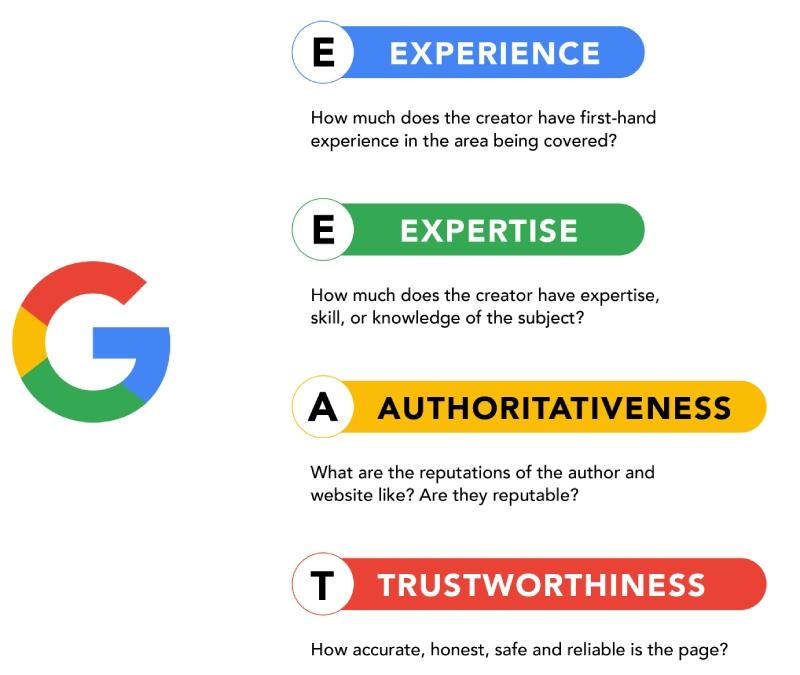
E-E-A-T stands for Experience, Expertise, Authoritativeness, and Trustworthiness. These are quality signals that Google uses to evaluate whether your content is helpful, reliable, and worthy of appearing in search results.
It’s important to note that E-E-A-T is not a direct ranking factor. Instead, it’s a framework used by Google’s Search Quality Evaluator Guidelines to define what high-quality content looks like. Google’s algorithms are designed to identify many of these signals, rewarding websites that consistently demonstrate credibility and value.
Let’s look at each element in more detail.
1. Experience – Show That You’ve Actually Done It
Google values content created by people with first-hand, real-world experience. Readers trust advice that comes from someone who has actually used a product, visited a place, solved a problem, or worked in the industry.
For example, imagine you’re searching for “best hiking trails in Bali.”
- A writer who has personally hiked the trails can describe the terrain, difficulty level, best time to visit, and even recommend where to stop for food.
- Another writer simply rewrites information collected from other websites without ever visiting Bali.
The first article provides unique insights that only real experience can offer, making it more valuable to readers, and more likely to satisfy Google’s quality expectations.
Similarly, if you’re a digital marketing agency writing about SEO, sharing campaign results, screenshots from Google Search Console, or lessons learned from client projects demonstrates genuine experience rather than theoretical knowledge.
2. Expertise – Prove That You Know Your Stuff
Experience shows you’ve done something. Expertise proves you understand it.
Google wants content that is accurate, well-researched, and created by people with the knowledge to explain a subject properly.
For instance:
- A cybersecurity article written by a compliance consultant with years of industry experience carries more weight than one written by someone with no technical background.
- A medical article reviewed by a qualified doctor is generally more trustworthy than advice from an anonymous blogger.
Even if your business isn’t in healthcare or finance, demonstrating expertise matters. Detailed explanations, original research, practical frameworks, and accurate information all signal that you know your subject.
3. Authoritativeness – Become a Recognized Leader
Authority is about your reputation within your industry.
Google looks beyond your website to understand whether other reputable people and organisations recognise your expertise.
Some strong authority signals include:
- Industry websites linking to your content.
- Being quoted by journalists or featured in publications.
- Speaking at conferences or webinars.
- Positive customer reviews and testimonials.
- Other experts mentioning or recommending your brand.
For example, if multiple respected marketing publications reference your SEO research, Google is more likely to view your website as an authoritative source on SEO.
Authority isn’t built overnight. It’s earned through consistently publishing valuable content and contributing to your industry.
4. Trustworthiness – Build Credibility & Security
Google has repeatedly stated that trustworthiness is the most important element of E-E-A-T. While a secure website and transparent business practices matter, trust is primarily built through the quality and integrity of your content.
To create trustworthy content:
- Ensure factual accuracy. Verify information before publishing and avoid spreading outdated or misleading advice.
- Cite credible sources. Back important claims, statistics, and research with authoritative sources such as Google, government websites, academic institutions, or recognised industry publications.
- Be transparent. If content contains opinions, sponsored information, or affiliate links, disclose them clearly.
- Keep content up to date. Review and refresh articles regularly to reflect the latest information, guidelines, and industry changes.
- Support claims with evidence. Include case studies, original research, screenshots, or real examples instead of making unsupported statements.
- Avoid clickbait and exaggerated promises. Your headline should accurately reflect what the article delivers.
- Answer the user’s intent honestly. Focus on solving the reader’s problem rather than stuffing keywords or writing solely for search engines.
- Acknowledge limitations where necessary. If there are multiple perspectives or no definitive answer, present them fairly instead of claiming certainty.
- Maintain consistency across your content. Contradictory advice or inconsistent messaging can reduce credibility.
- Show who created the content. Include author names, credentials, or relevant experience so readers understand why they should trust the information.
For example, if you’re publishing an article on SEO best practices, don’t simply claim that a particular tactic improves rankings. Support it with Google’s official documentation, real campaign results, or reputable industry research. Content that is accurate, evidence-backed, and genuinely helpful is far more likely to earn both user trust and Google’s confidence.
Also Read: How AI Search Works and Why Your Business Needs to Adapt Now
Why Following E-E-A-T Google Guidelines Matter for SEO?
1. Builds Trust with Google and Users
- Google wants to show users the most reliable and accurate information. If your content isn’t trustworthy, it won’t rank well.
- Users are more likely to engage with and return to a website that feels credible and secure.
SEO Impact: Websites that demonstrate trustworthiness get higher rankings, more engagement, and lower bounce rates.
2. Helps You Stand Out in Competitive Niches
- If you’re in finance, health, legal, or any YMYL (Your Money, Your Life) niche, Google applies even stricter standards to your content.
- Even outside YMYL industries, having authoritative content gives you an edge over competitors.
SEO Impact: High E-E-A-T sites rank higher, while low-authority or untrustworthy sites struggle to gain visibility.
3. Google Rewards Real-World Experience
- First-hand experience makes your content more engaging and credible. If you’re writing about a topic, show that you’ve actually done it.
- Google’s algorithms favor content that goes beyond generic information by sharing real-world insights, examples, and case studies.
SEO Impact: Content with genuine experience ranks higher because it connects better with readers.
4. Authority Boosts Your Domain’s SEO Power
- If other reputable sites cite, link to, or mention you, Google sees your website as a trusted source.
- Brand mentions, backlinks, and social proof all contribute to building online authority.
SEO Impact: Strong authoritativeness increases domain authority, making it easier to rank for competitive keywords.
5. Poor E-E-A-T Can Get You Penalized
- Google’s algorithms and manual reviewers actively downgrade low-quality, misleading, or untrustworthy websites.
- Sites that spread misinformation, lack credibility, or provide thin content often struggle to rank—or even face Google penalties.
SEO Impact: Websites with low E-E-A-T can lose traffic and rankings overnight.
How to Optimise E-E-A-T and Boost Your SEO
Improving your website’s E-E-A-T is all about consistently demonstrating that your business is a credible, knowledgeable, and trustworthy source of information. Here are the key areas to focus on.
1. Create Content Based on Real Experience
Google values content that reflects first-hand knowledge rather than information repackaged from other websites. To demonstrate experience:
- Share case studies and client success stories.
- Include personal insights and lessons learned.
- Use original images, screenshots, or videos where relevant.
- Publish original research, surveys, or proprietary data.
- Explain real challenges you’ve faced and how you solved them.
The more unique your insights, the more valuable your content becomes to both users and search engines.
2. Demonstrate Expertise
Expertise goes beyond writing well. It’s about proving that the information comes from people who understand the subject. You can strengthen expertise by:
- Publishing comprehensive, well-researched content.
- Having articles written or reviewed by subject matter experts.
- Displaying author bios with qualifications, certifications, and industry experience.
- Keeping your content updated to reflect the latest trends and best practices.
- Supporting recommendations with credible evidence and examples.
Readers and Google are more likely to trust content backed by genuine knowledge.
3. Build Your Authority
Authority is earned when others recognise your expertise. Ways to build authority include:
- Earn backlinks from reputable and relevant websites.
- Get featured in industry publications or news outlets.
- Publish original research that others reference.
- Guest post on authoritative websites.
- Speak at industry events, webinars, or podcasts.
- Encourage satisfied customers to leave reviews and testimonials.
The more your brand is recognised and referenced by trusted sources, the stronger your authority becomes.
4. Create Trustworthy Content
Trust begins with the content you publish. Follow these best practices:
- Fact-check all information before publishing.
- Cite credible sources such as Google documentation, government websites, and recognised industry publications.
- Avoid misleading headlines or exaggerated claims.
- Update content regularly to ensure accuracy.
- Support recommendations with real examples, data, or case studies.
- Clearly identify authors and their credentials.
- Be transparent about sponsored content, affiliate links, or partnerships.
Reliable, accurate content builds long-term trust with both users and search engines.
5. Build Trust Through Your Website
Your website should reinforce the credibility of your content. Make sure you have:
- HTTPS security.
- An easy-to-find Contact Us page.
- An About Us page that explains who you are.
- Privacy Policy and Terms of Service pages.
- Genuine customer testimonials and reviews.
- Clear business information and contact details.
These trust signals reassure both visitors and Google that your business is legitimate.
6. Deliver a Great User Experience
Even the best content can underperform if your website provides a poor experience.
Improve usability by:
- Optimising page speed.
- Making your website mobile-friendly.
- Using clear navigation and logical site structure.
- Improving readability with headings, images, and short paragraphs.
- Reducing intrusive pop-ups and unnecessary distractions.
- Ensuring pages are easy to access and load correctly.
A positive user experience encourages visitors to stay longer, explore more pages, and engage with your content—all positive signals for SEO.
E-E-A-T Is a Long-Term SEO Strategy
E-E-A-T isn’t something you optimise once and forget. It’s built over time through consistent publishing, genuine expertise, and a commitment to helping your audience.
When you create content based on real experience, demonstrate expertise, earn industry recognition, and consistently publish trustworthy information, you’re doing more than improving your search rankings. You’re building a brand that people trust.
And that’s exactly the kind of website Google wants to recommend.
Read More: What is B2B Branding? Why Does It Go Beyond Traditional Marketing?
Conclusion
In conclusion, optimizing E-E-A-T Google Guidelines is essential for SEO success. By showcasing real-world experience, ensuring expert-driven content, building authority through reputable backlinks, and fostering trust with secure and transparent practices, you not only improve your search rankings but also establish a reliable, credible brand. As Google continues to prioritize high-quality, trustworthy content, strengthening your E-E-A-T signals will help you stand out in competitive markets, engage users, and achieve lasting SEO results.
At Whoosh Media, we understand the power of E-E-A-T and how it impacts your brand’s visibility. Being a leading SEO Agency in Singapore, our strategies are built around authenticity, authority, and trust—helping businesses create content that not only ranks but resonates. From expert-led content creation to authority-building and technical SEO, we partner with you to boost your search performance in a way that’s human, credible, and built to last.